·1 min read·3 view(s)
Reading a listing you cannot touch
Photographs are chosen, not taken. What to look at when you are buying from a screen in another country.

Every listing is an argument made by someone who wants the sale. That is not dishonest; it is just what a listing is. The useful skill is knowing which parts of it carry information.
Photographs
The number of photographs matters more than their quality. A seller with nothing to hide takes many, quickly, in bad light. A seller with one beautifully lit image has made a choice about what you see.
Look for the parts that wear: corners, zips, soles, the inside of a strap. If those are absent from a set of twelve photographs, their absence is the information.
Wording
- "Like new" describes a hope. "Worn three times, small mark on the back panel" describes an object.
- A listing that names a flaw is usually more reliable about everything else.
- Measurements in numbers beat sizes in letters, and always beat "fits like a medium".
Price
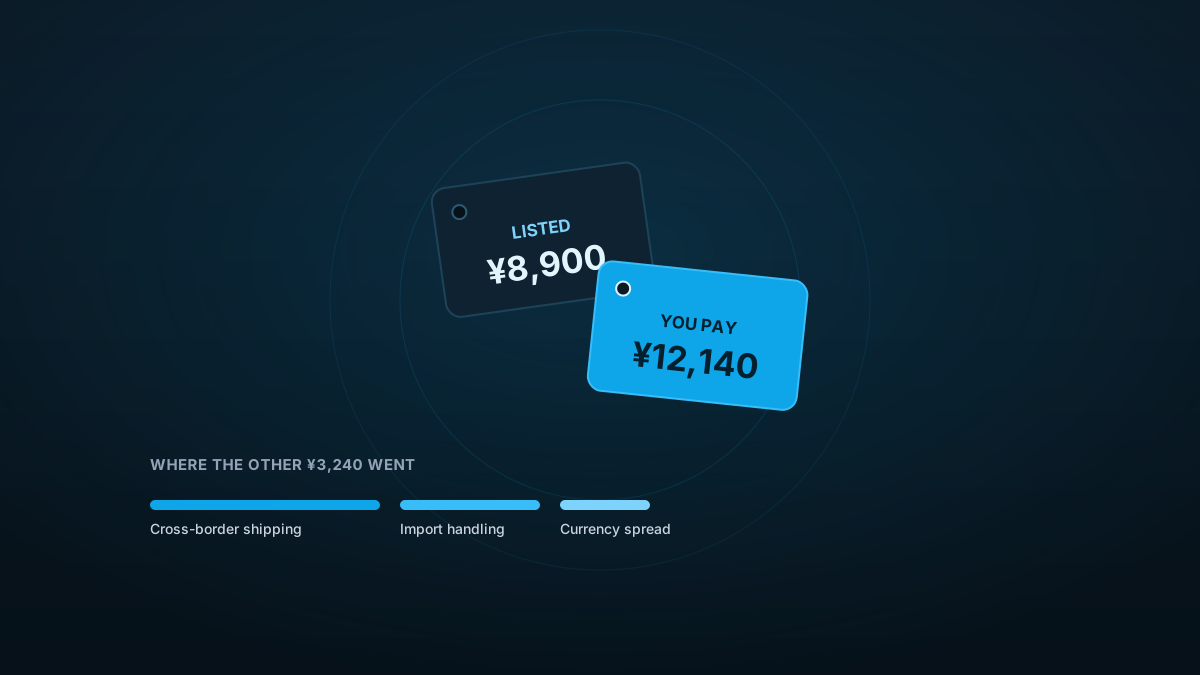
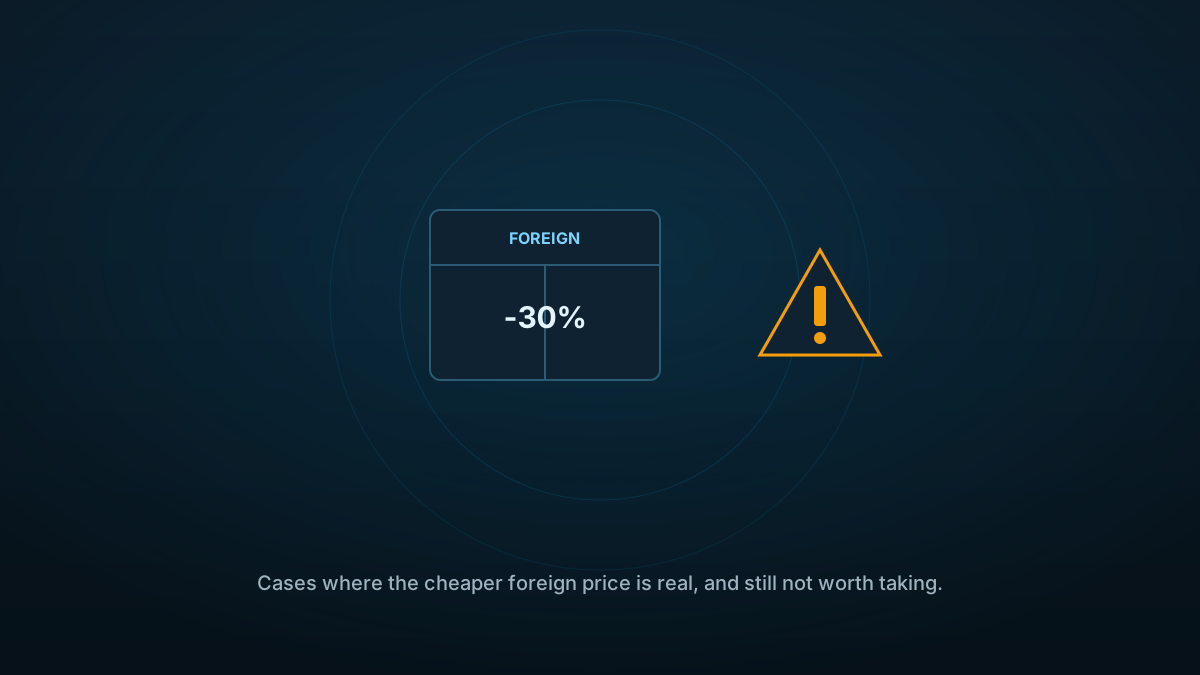
A price far below the range for that item is not a bargain signal. It is a question. Sometimes the answer is fine — a seller who needs the space, a model a year out of fashion. Sometimes it is not.
The cheapest listing on a page is worth opening last, after you know what the others look like. Otherwise it sets your expectations and everything else reads as expensive.
What to do before committing
Ask one specific question. Not "is it authentic" — everyone says yes. Ask for a photograph of one particular detail, taken now. The response time and the willingness tell you more than the photograph does.